What moving to Greenville, South Carolina, is actually like.
The Bedoya Team at Real Broker helps buyers move to Greenville, South Carolina, and the wider Upstate. This is the relocation guide we send our own clients: the history, the drive times, the weather, the cost of living, and how the areas differ, each with its source. Most out-of-state buyers start 60 to 180 days out. Tell us your timing and a licensed agent replies.
Seven things people move to Greenville for.
These are the seven answers we give most often when someone asks what daily life in Greenville is like.
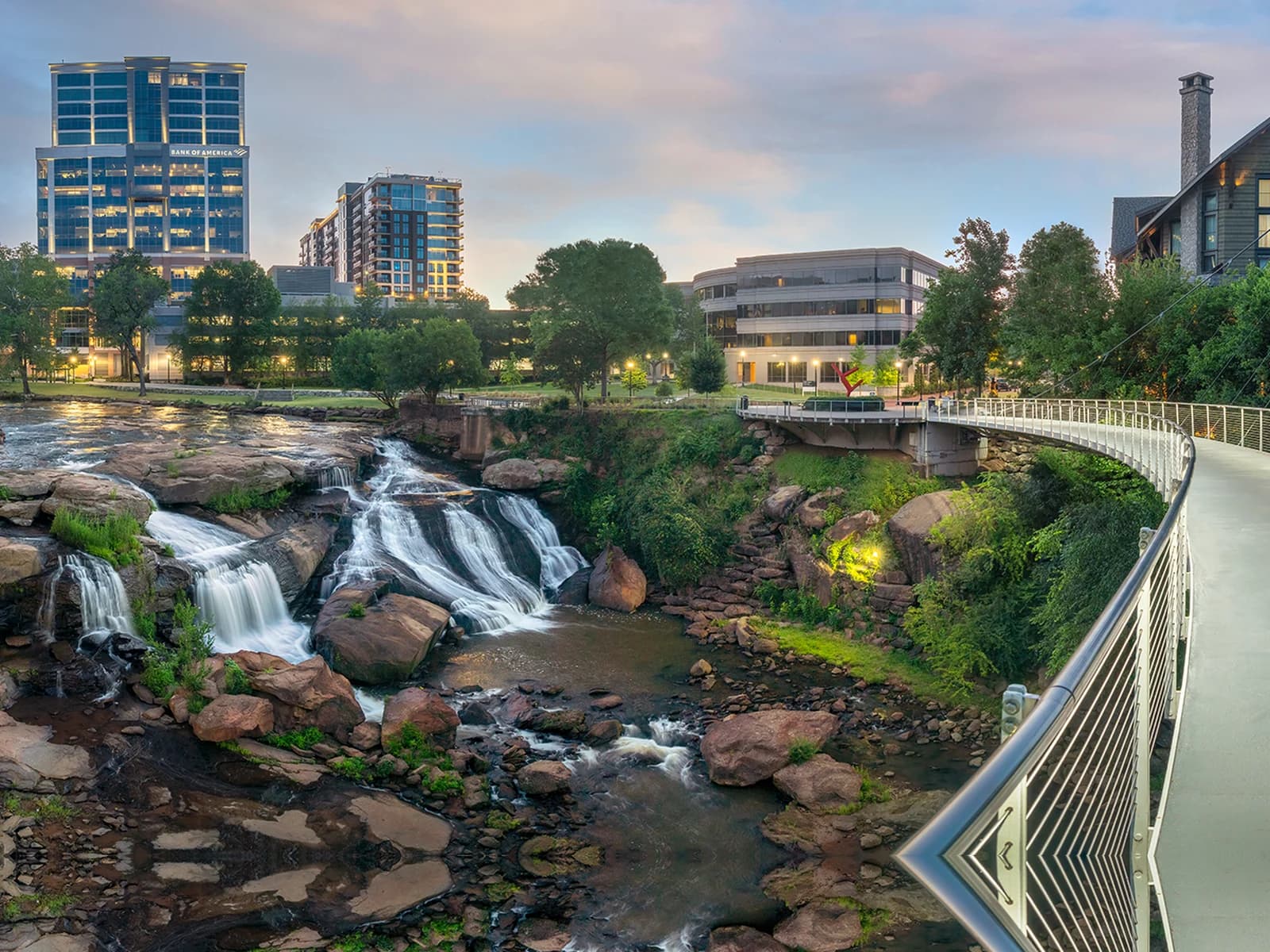
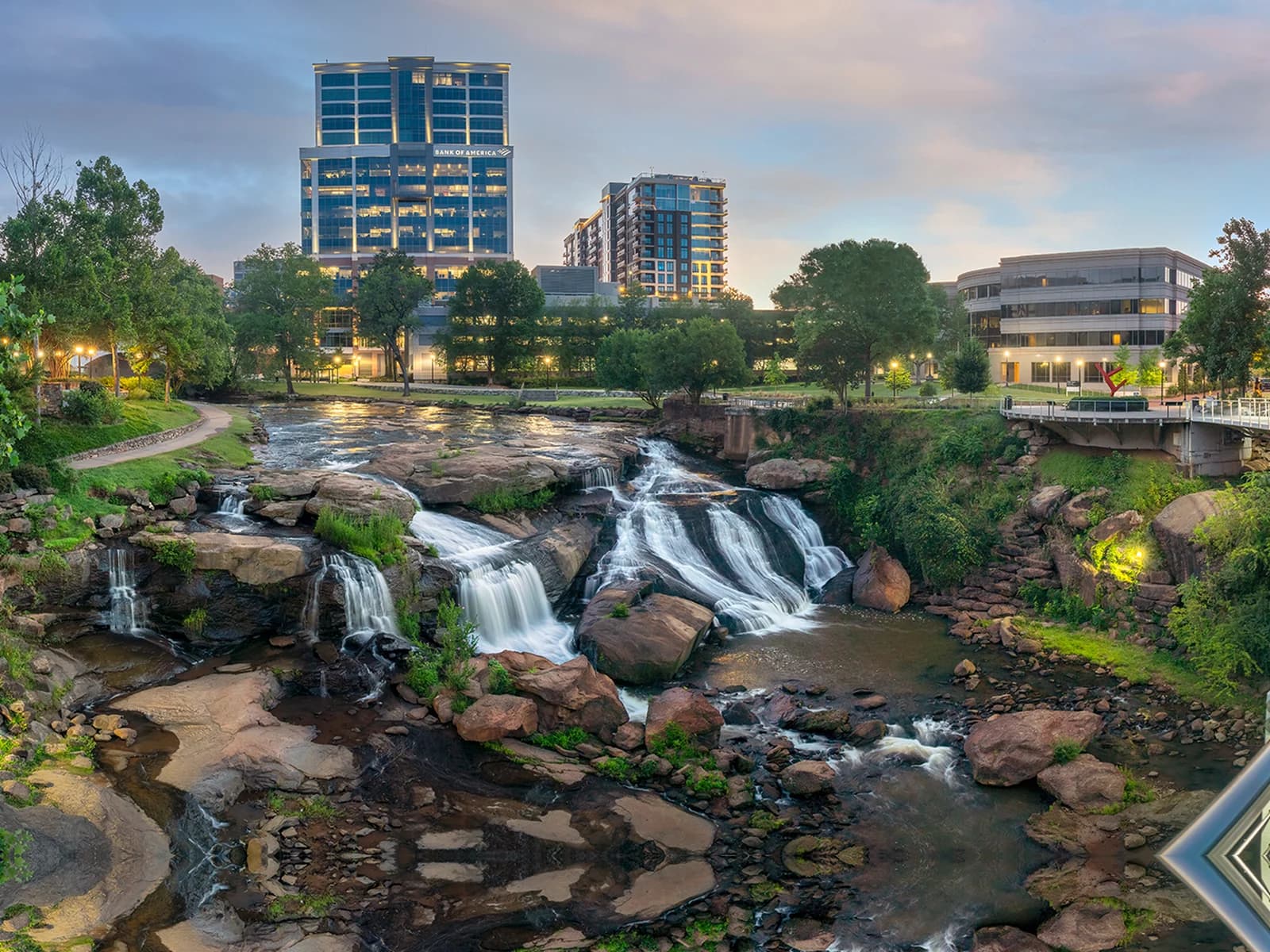
Falls Park and downtown Greenville
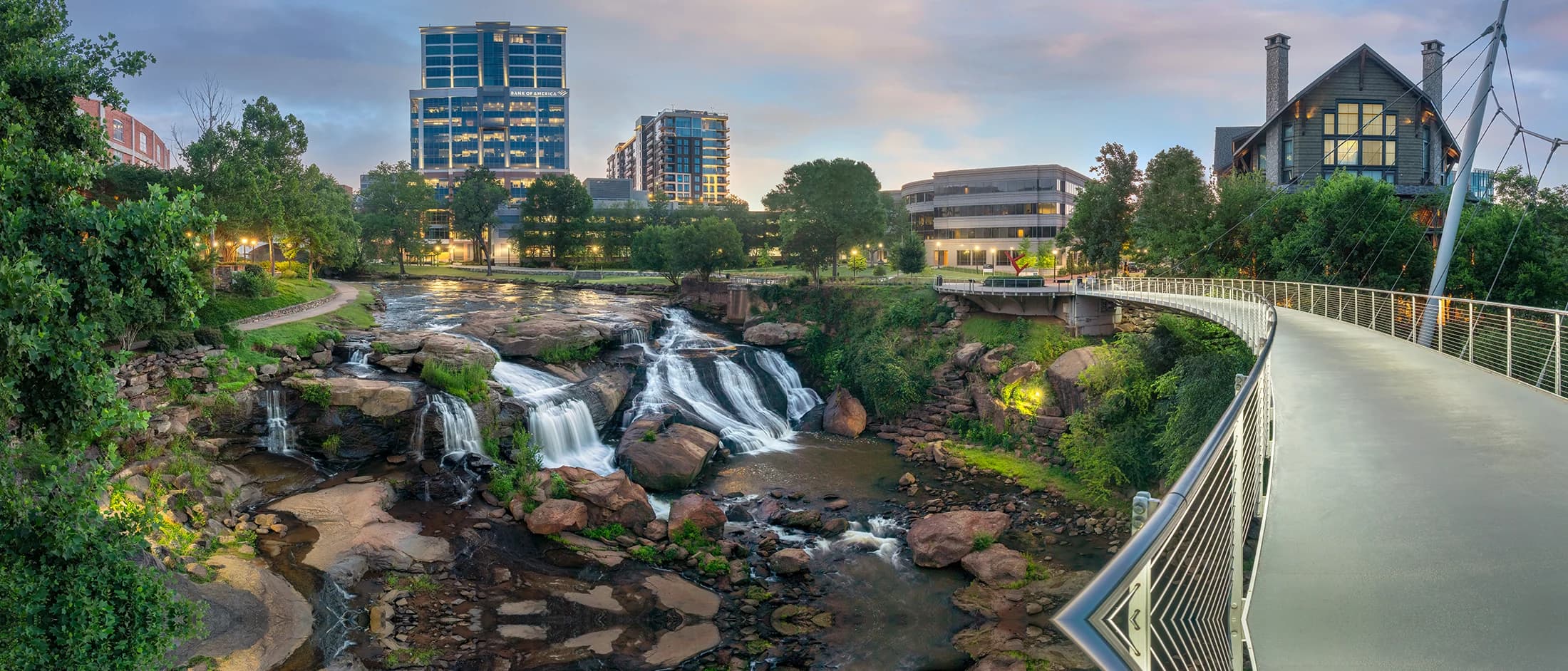
A walkable downtown built around a real waterfall, with the Liberty Bridge suspended above it. Main Street is busy every night of the week.
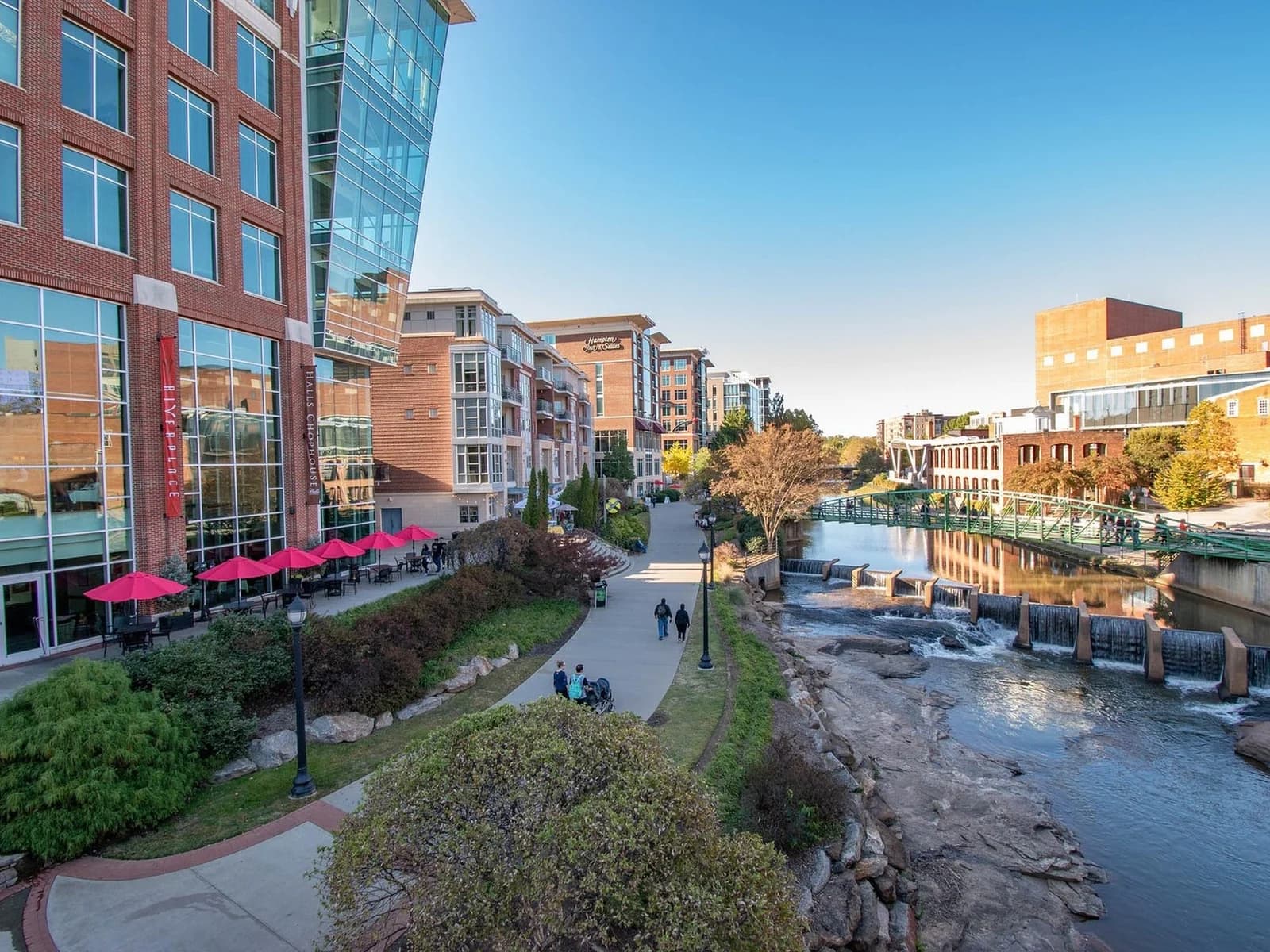
The restaurant scene
James Beard–nominated chefs, a serious brewery scene, and farmers markets every weekend. People drive from Atlanta and Charlotte just to eat.

Festivals and events all year
Fall for Greenville, Artisphere, Euphoria, Peace Center concerts and Drive baseball. There is something on every week of the year.
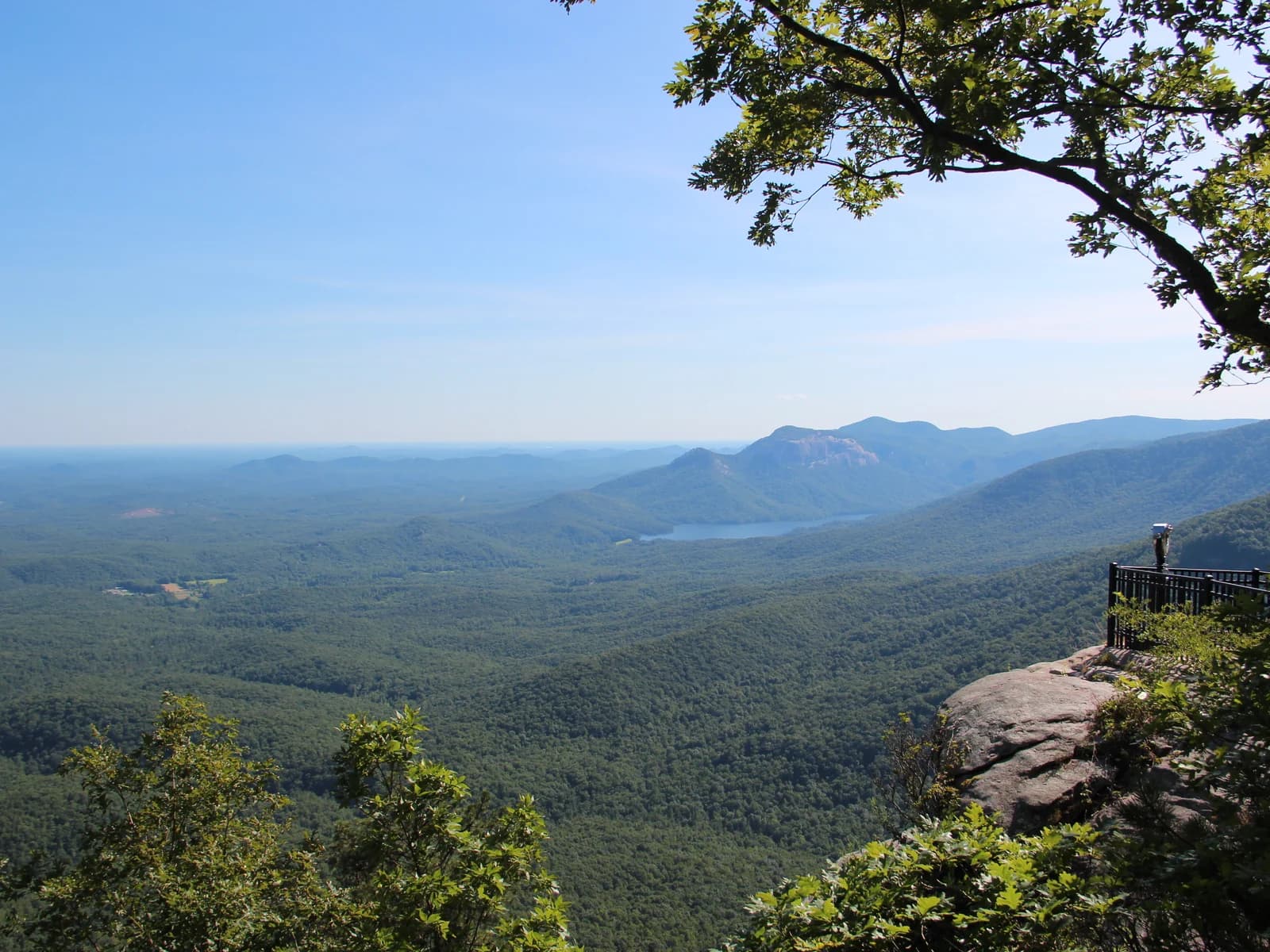
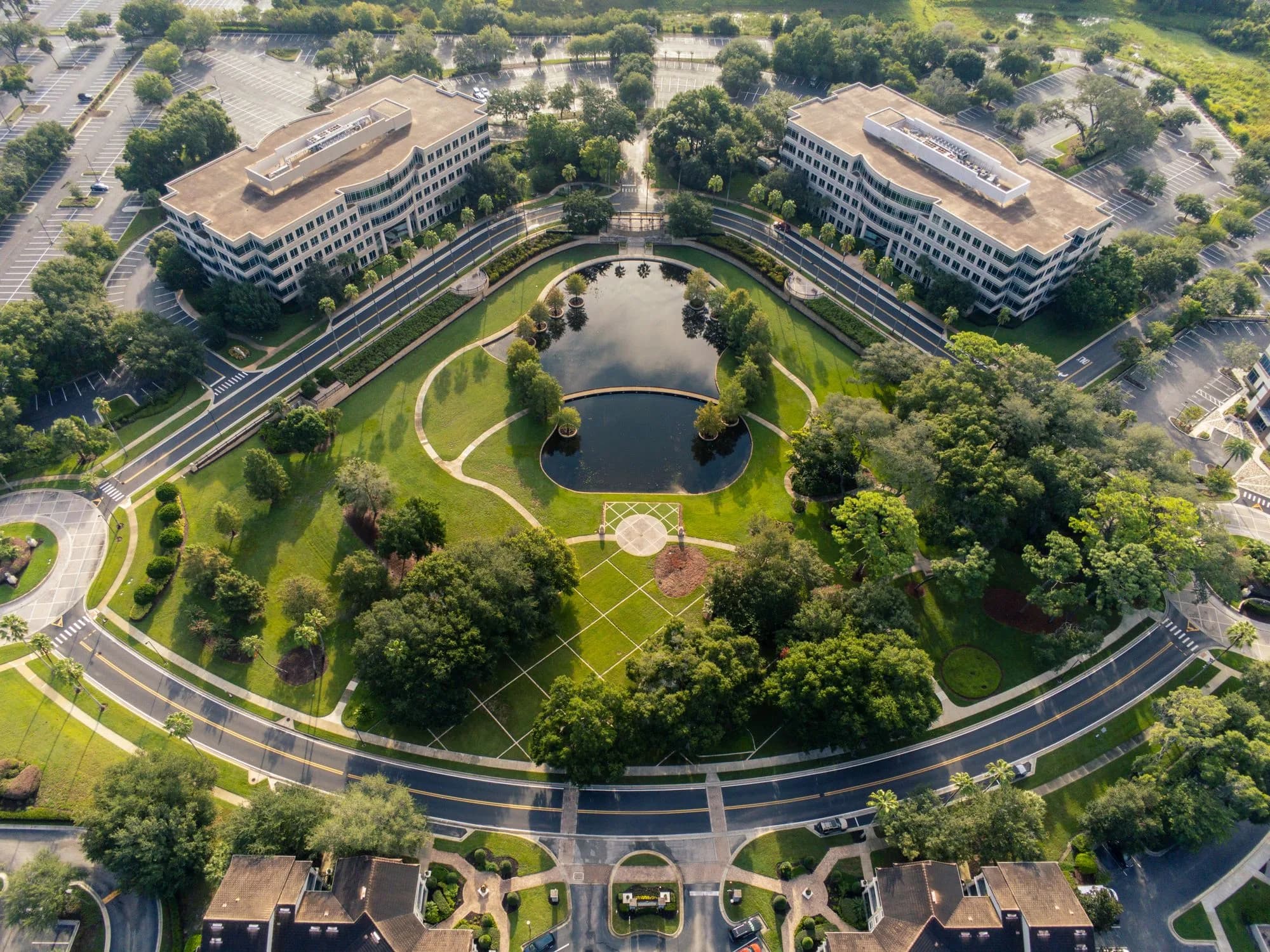
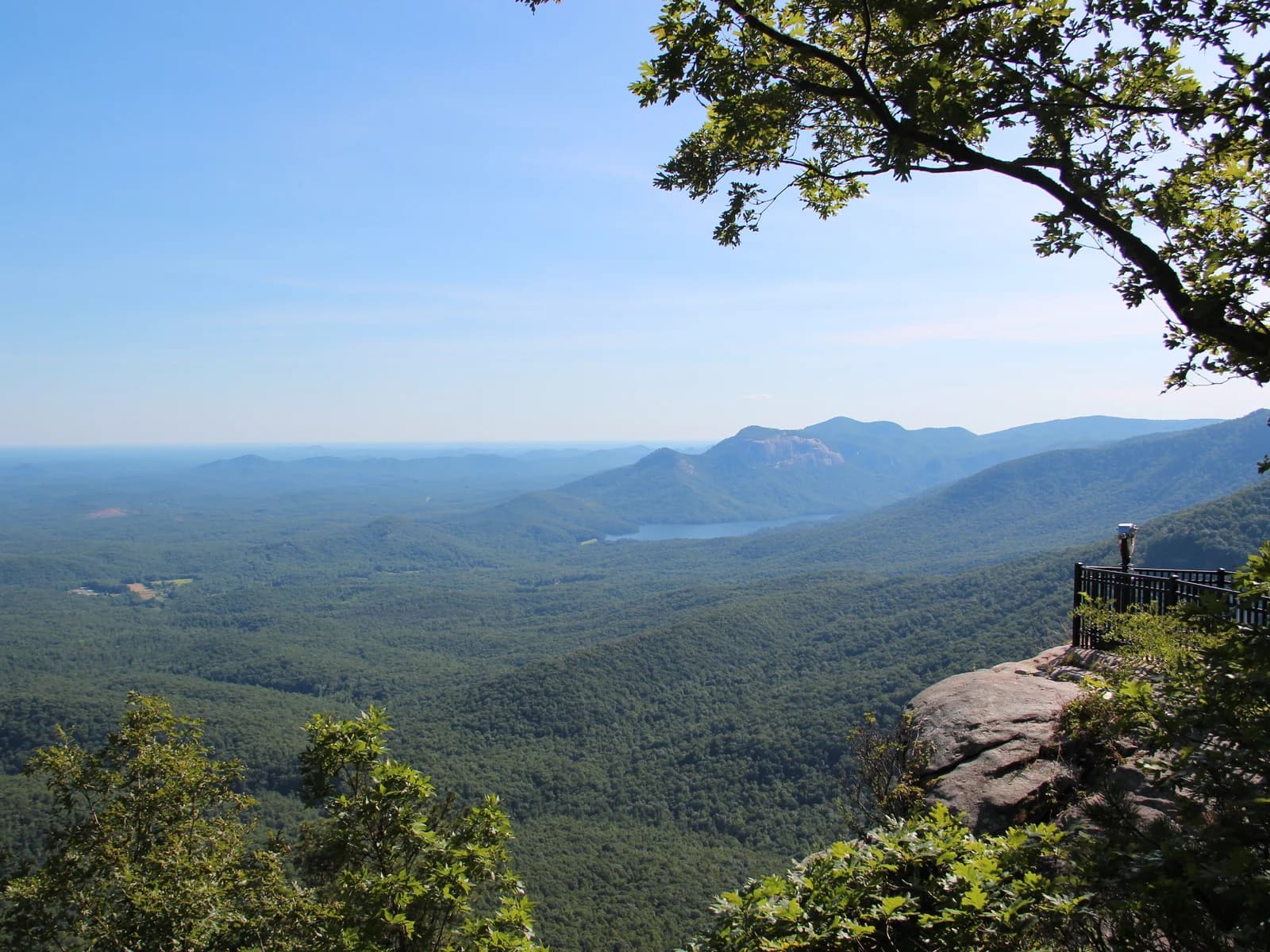
The Blue Ridge, under an hour away
The Swamp Rabbit Trail takes you to Travelers Rest by bike; the Blue Ridge and Asheville are under an hour away.
Employers and job growth
BMW, Michelin, Prisma Health and an advanced-manufacturing corridor. One of the fastest-growing metros in the Southeast, and still affordable.
Seasons, schools and GSP
Four real seasons, a short winter, and GSP airport 15 to 25 minutes from most neighborhoods. School attendance lines change, so confirm any school with Greenville County Schools.
The cost of living
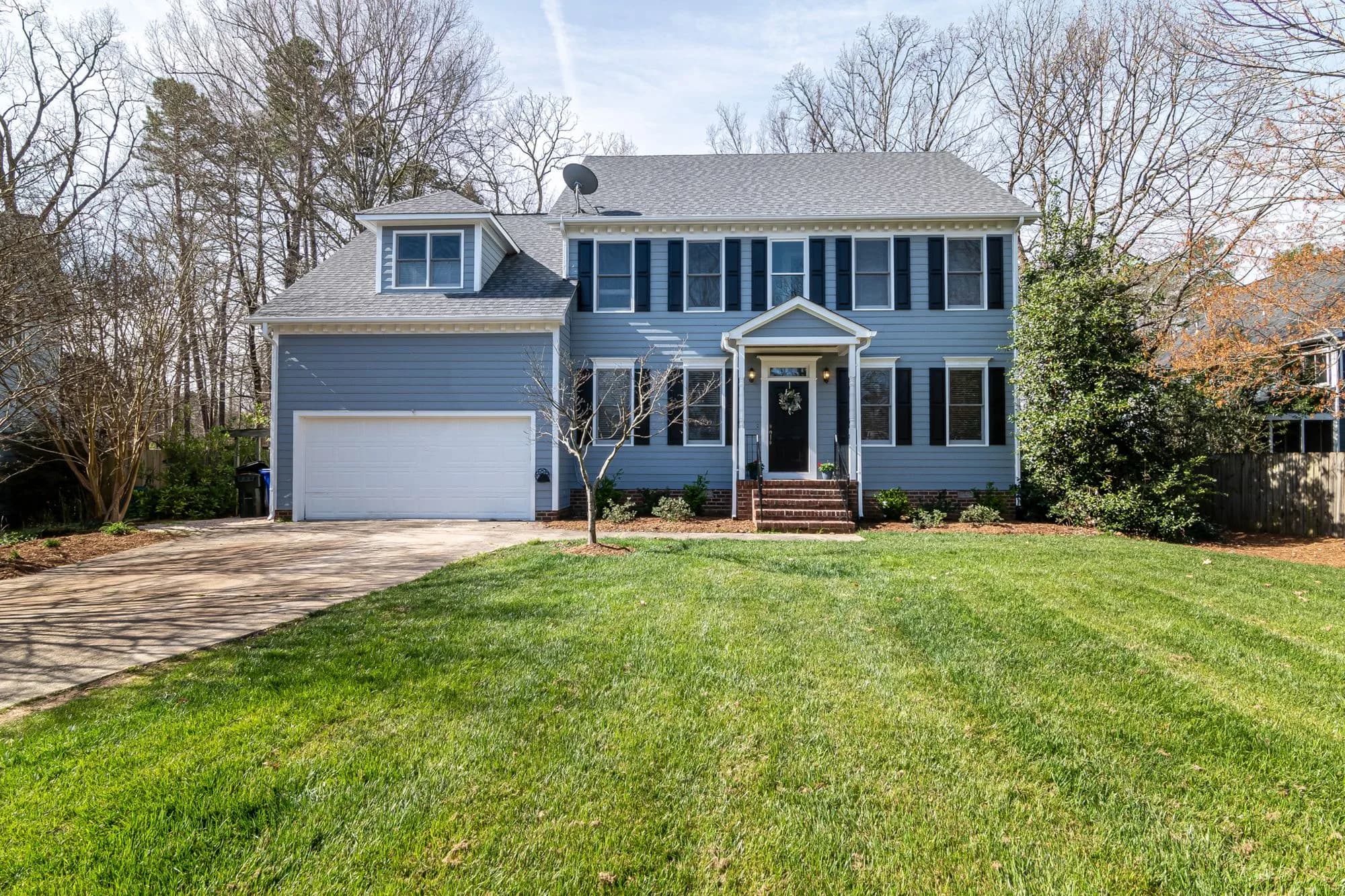
A budget that buys a condo in Charlotte buys a house with a yard here, and owner-occupied property tax is among the lowest in the country.
Greenville went from Cherokee hunting ground to textile capital to the downtown it has today.
Greenville began at the falls of the Reedy River, on land that was Cherokee territory until the 1770s, when the Irish trader Richard Pearis built a trading post and grist mill there. Greenville County was formed in 1786. In 1815 Vardry McBee, remembered as the father of Greenville, bought the village and spent four decades giving it churches, schools, mills and, in 1853, a railroad.
Cotton mills followed the rail lines. By the early 1900s Greenville hosted the Southern Textile Exposition and called itself the Textile Capital of the World, with mill villages ringing the city. When textiles moved offshore in the 1960s and 70s, downtown emptied. The story could have ended there.
Instead, Austrian-born Mayor Max Heller made a bet few American cities were making. He narrowed Main Street from four lanes to two, widened the sidewalks, and planted the tree canopy that shades it today. The Peace Center opened in 1990. In 1994 BMW chose Greer for its only American plant. And in 2004 the city tore down a four-lane highway bridge that had hidden the falls for decades and opened Falls Park and the Liberty Bridge in its place.
That decision became the symbol of a city that reinvented itself around quality of life. Unity Park, the Swamp Rabbit Trail and a wave of downtown housing are the newest chapters, and the reason planners from around the country now come to Greenville to study how it is done.
- 1770sRichard Pearis settles at the Reedy River falls
- 1786Greenville County is established
- 1815Vardry McBee buys the village
- 1853The railroad arrives; mills follow
- 1915First Southern Textile Exposition
- 1970sMayor Max Heller narrows Main Street
- 1990The Peace Center opens
- 1994BMW breaks ground in Greer
- 2004Falls Park and the Liberty Bridge open
- 2022Unity Park opens on the west side
Greenville sits halfway between Atlanta and Charlotte, an hour from the mountains and three from the coast.
Greenville sits on the I-85 corridor, so four major cities, two of the busiest airports in the world and the Blue Ridge are all a comfortable drive. Day trips are easy. Family flying in has options.
In Greer, 15 to 25 minutes from most neighborhoods. Nonstop service to 20-plus cities, and regularly ranked among the easiest airports in the country.
About 1 hour 45 minutes up I-85. A major American Airlines hub with nonstop flights across Europe, Latin America and the Caribbean.
Roughly 2 hours down I-85. The world's busiest airport and Delta's global hub, nonstop to nearly anywhere.
Four real seasons in Greenville, and low natural-disaster risk.
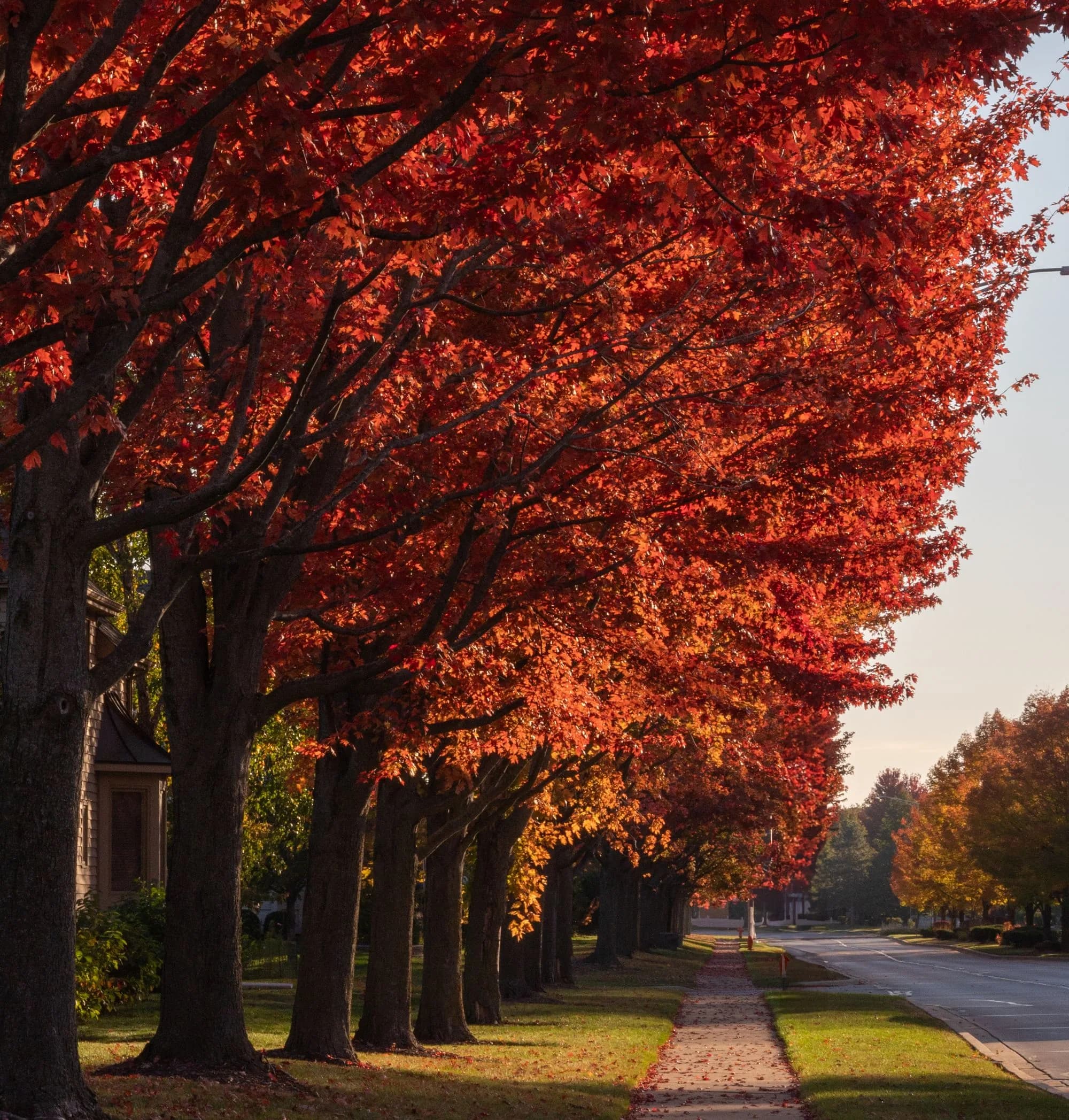
Greenville sits at about 1,000 feet in the Blue Ridge foothills and gets roughly 220 sunny days a year, a spectacular fall and a short, mild winter. If you are coming from the coast, the plains or the West, this matters too: the Upstate is one of the lower-risk regions in the country for major natural disasters.
Highs 65 to 80°F. Azaleas, dogwoods and festival weather; a few pollen-heavy weeks in April.
Upper 80s and humid, with quick afternoon storms that clear by dinner. Lake and pool season.
Highs 60 to 80°F, low humidity, mountain foliage 30 minutes away. Most locals' favorite.
Highs in the low 50s, lows near freezing. A few inches of snow a year, gone within a day.
200-plus miles inland. Coastal storms arrive as a day of rain and gusty wind, not surge or evacuations.
No active fault zone. Minor tremors are rare and rarely felt.
Well outside Tornado and Dixie Alleys; strong tornadoes are uncommon here.
A humid, wet climate. Mountain brush fires are small and rarely threaten neighborhoods.
A few inches a year and an ice event every few winters. A day off school, not weeks shut down.
Limited to creek and river floodplains. We check the FEMA flood zone on every home you consider.
Rare events do happen. Helene's remnants brought damaging wind in 2024. Here they are the exception, not the annual cycle.
- Homeowners insurance typically runs well below coastal, Gulf, Tornado Alley and wildfire-zone premiums. No wind pool, no separate hurricane deductible.
- Flood insurance is optional for most homes here, not a lender requirement.
- Mild winters mean lower heating bills and year-round outdoor living.
Greenville's cost of living runs about 10% below the U.S. average.
Housing is the line doing the work in Greenville's cost of living. Groceries, gas and utilities are roughly what you pay now. What changes is the mortgage, the tax bill, and what your dollar buys in square footage and land.
effective property tax on a primary home, against about 1.0% nationally. Among the five lowest in the U.S.
average rent in Greenville, against $1,750 nationally. Useful if you rent first and buy second.
state tax on Social Security, estates or inheritances. No local income tax anywhere in South Carolina.
Sources: Council for Community and Economic Research (C2ER) Cost of Living Index via RentCafe and Redfin, 2026; Payscale; Tax Foundation. Indexes shift each quarter. Ask us for the latest.
The real comparison: send us your current mortgage, tax bill and insurance premium, and we will run a side-by-side against three Greenville homes in your price range. It is usually the most persuasive page in the guide.
Greenville neighborhoods and the Upstate towns around them.
Each row is a Greenville neighborhood or a nearby Upstate town, with the kind of housing you find there and a median to start from. School attendance lines change, so confirm any school with the district. Ask us for current numbers in the two or three you are weighing.
Most buyers close within 30 to 90 days of the first conversation.
Moving to Greenville from out of state starts with a neighborhood shortlist, narrated video tours, and a two-day itinerary built around your flights into GSP. Most relocation clients never see a house in person until tour weekend, and still win the one they want.
Book a Zoom callGuides to the nine markets the team covers.
Each one is written for people deciding between them: what the housing stock is, how far it is from downtown Greenville, and what the commute looks like.