How a South Carolina foreclosure sale actually works
Judicial foreclosure in South Carolina runs through a county courthouse sale, and the winning bid can still be topped for a month after.
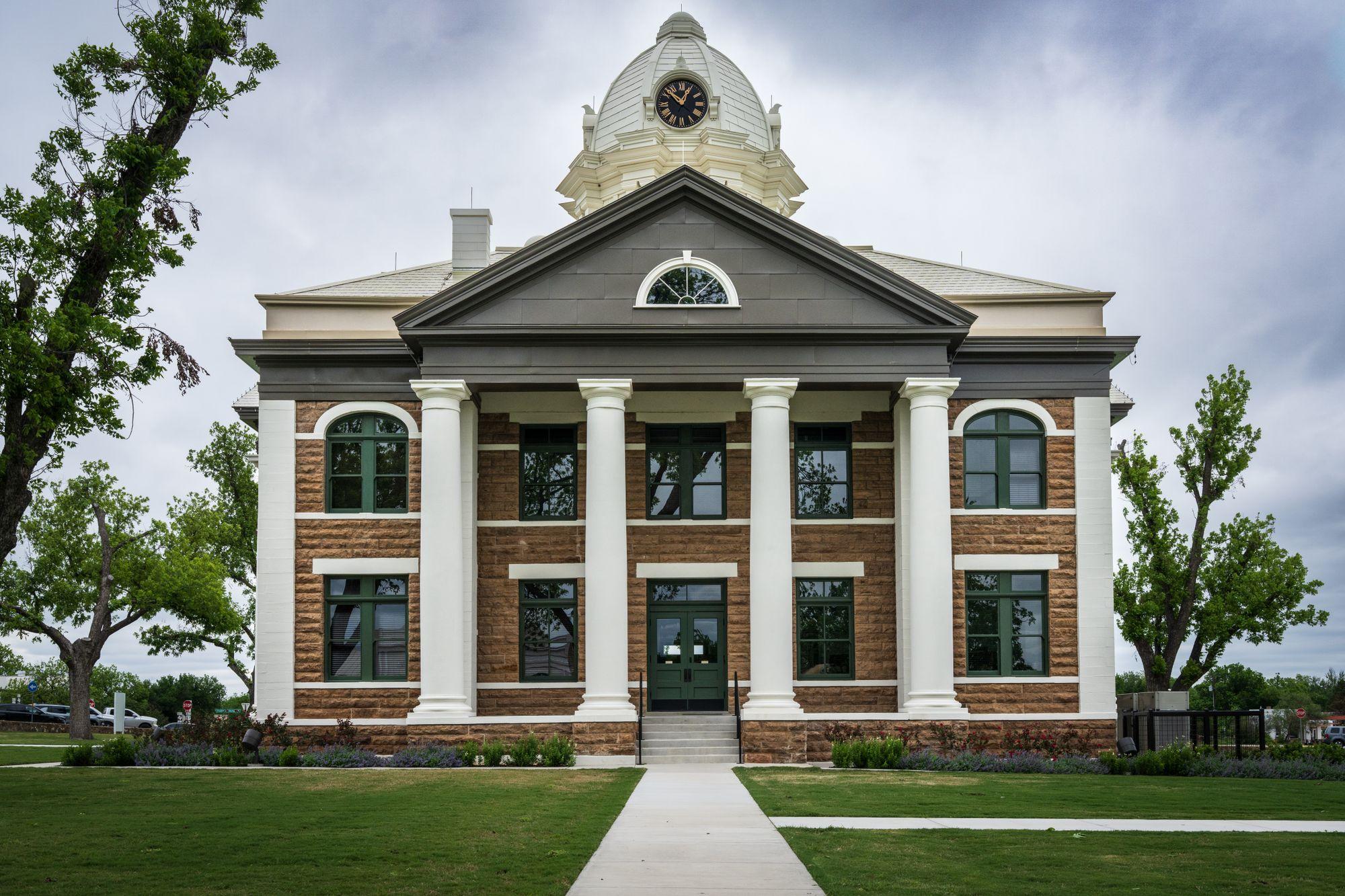

Quick answers
- How does a house end up at a foreclosure sale in South Carolina?
- A lender files a lis pendens with the county Clerk of Court, along with a summons and complaint, which the Greenville County Clerk of Court's office says "functions as a cloud upon the title." The case is then referred to the Master-in-Equity, a judge who handles civil cases without a jury, through an Order of Reference. The sale only happens after that judge enters a judgment.
- Where and when does Greenville County hold its foreclosure sales?
- Greenville County's Master-in-Equity office says sales are "usually the first Monday of each month at 11:00 A.M." in the Judicial Wing of the Greenville County Courthouse. If the first Monday falls on a legal holiday, the sale moves to the next day. The current roster runs in the classified ads of the Greenville Journal for three weeks before each sale.
- What do you have to do the moment you win the bid?
- Greenville County's sale page says the winning bidder pays a deposit in cash or a certified check "at the time your bid is accepted," and warns that a bidder cannot leave to get funds and come back. The rest of the price is generally due within a set number of days after the sale, along with interim interest and recording costs, before the court officer issues the deed.
- What is an upset bid, and how long can it keep a sale open?
- South Carolina Code Section 15-39-720 keeps bidding open after a judicial sale "until the thirtieth day after such sale," so another bidder can still top the winning bid during that window by matching the deposit rules. The statute, together with Section 15-39-760, ties the length of that window to whether the lender is pursuing a deficiency judgment against the borrower; a sale where that right is expressly waived can close on the day of the auction instead.
- What do you actually get when you buy at a foreclosure sale?
- The buyer receives a Master's Deed, which Greenville County's own sale page says is not a general warranty deed, so it conveys only the interest that was actually before the court. There is no walkthrough beforehand and no seller disclosure, which is why the county's own page recommends getting a title opinion from a licensed attorney before bidding, not after.
A South Carolina foreclosure sale is a public auction run by the county courthouse, not a private purchase. A lender has already sued the borrower and won a judgment, the Master-in-Equity has set terms for a sale, and anyone can show up and bid. Winning the auction is only the start: the deposit is due that same hour, the balance is due within weeks, and under state law the sale can still be topped by another bidder for up to a month afterward.
How does a house end up at a foreclosure sale in South Carolina?
A foreclosure starts as a civil lawsuit. The lender files a lis pendens with the county Clerk of Court, which the Greenville County Clerk of Court's office describes as something that "functions as a cloud upon the title" on the property, along with a summons and complaint. From there, the Greenville County Master-in-Equity's office explains, the case is "generally referred to the Master-in-Equity for decisions and for sale of property" through a procedural device called an Order of Reference. The Master-in-Equity is a judge who hears civil cases without a jury and, once a case is referred, has the same authority a circuit judge would have over it. Only after that judge enters a final judgment does the matter move to a sale.
Where and when does Greenville County hold its foreclosure sales?
Greenville County's own Master-in-Equity sale page states that sales are "usually the first Monday of each month at 11:00 A.M.," held in the Judicial Wing of the Greenville County Courthouse. If the first Monday is a legal holiday, the sale shifts to the following day. The upcoming roster is published in the classified ads of the Greenville Journal for three Fridays before the sale, and the county's page says the same list runs online through the Greenville Journal's foreclosure listings, calling it "the same list used the day of the sale." A primer on the court's own site, written by the presiding judge, adds that the published notice has to state the property, the sale's time and place, and the names of the owner and the lender.
What do you have to do the moment you win the bid?
There is no walking away to arrange financing. The county's sale page is direct: the winning bidder pays a deposit in cash or a certified check "at the time your bid is accepted," and a bidder who doesn't have it on hand cannot leave and come back with it. From there, the buyer generally has a set number of days, the primer on the court's site puts it at twenty when no deficiency judgment is being pursued, to pay the balance and pick up the deed, plus interim interest on the bid and the recording costs at the courthouse. Because of that timeline, a foreclosure sale almost always goes to a cash or certified-funds buyer, not someone waiting on a mortgage to close.
What is an upset bid, and how long can it keep a sale open?
Winning the auction does not end things right away. South Carolina Code Section 15-39-720 keeps the bidding open after the sale date, stating that it "shall remain open until the thirtieth day after such sale." During that window, someone other than the winning bidder can still top the price by putting down the required deposit, and the person holding the highest bid when the window closes is the one who actually gets the property. Section 15-39-760, on the same chapter of the code, ties that extra month to whether the lender is seeking a deficiency judgment against the original borrower for whatever the sale doesn't cover. When a lender expressly waives that right in the foreclosure papers, the sale's advertisement says so, and bidding can close on the day of the auction instead of staying open for the following month.
What do you actually get when you buy at a foreclosure sale?
Here's the part that doesn't get said enough: the deed a foreclosure buyer receives, a Master's Deed, is not a general warranty deed. Greenville County's own sale page says plainly that the deed "conveys only the interest" the court actually had before it, not a guarantee that the title is clean. There's no walkthrough before bidding, no seller's disclosure, and no financing contingency to fall back on if something is wrong with the property or an older lien turns up later. The county's page recommends getting a title opinion from a licensed attorney before bidding, not after, which is the opposite order most home purchases run in. Our vendor list has the closing attorney the team refers buyers to for a title search, and that call is worth making before the auction, not after you've already paid a deposit you can't get back.
Where to find the current Greenville County sale list
The county's own sale page, read in November 2026, points to two places: the classified ads in the Greenville Journal running for three Fridays before each sale, and the Greenville Journal's own foreclosure listings online, which it says mirror the list used at the courthouse that day. A buyer can also review the roster in person on the third floor of the Greenville County Courthouse. None of this tells a buyer what a specific property is worth or whether it's a good deal; that part still takes the same homework as any other purchase, done faster and with less information than usual.