Retiring to Greenville: the homestead exemption at 65
South Carolina's Homestead Exemption lowers a retiree's property tax bill at 65. Who qualifies, how to apply in Greenville County, and what it does not cover.
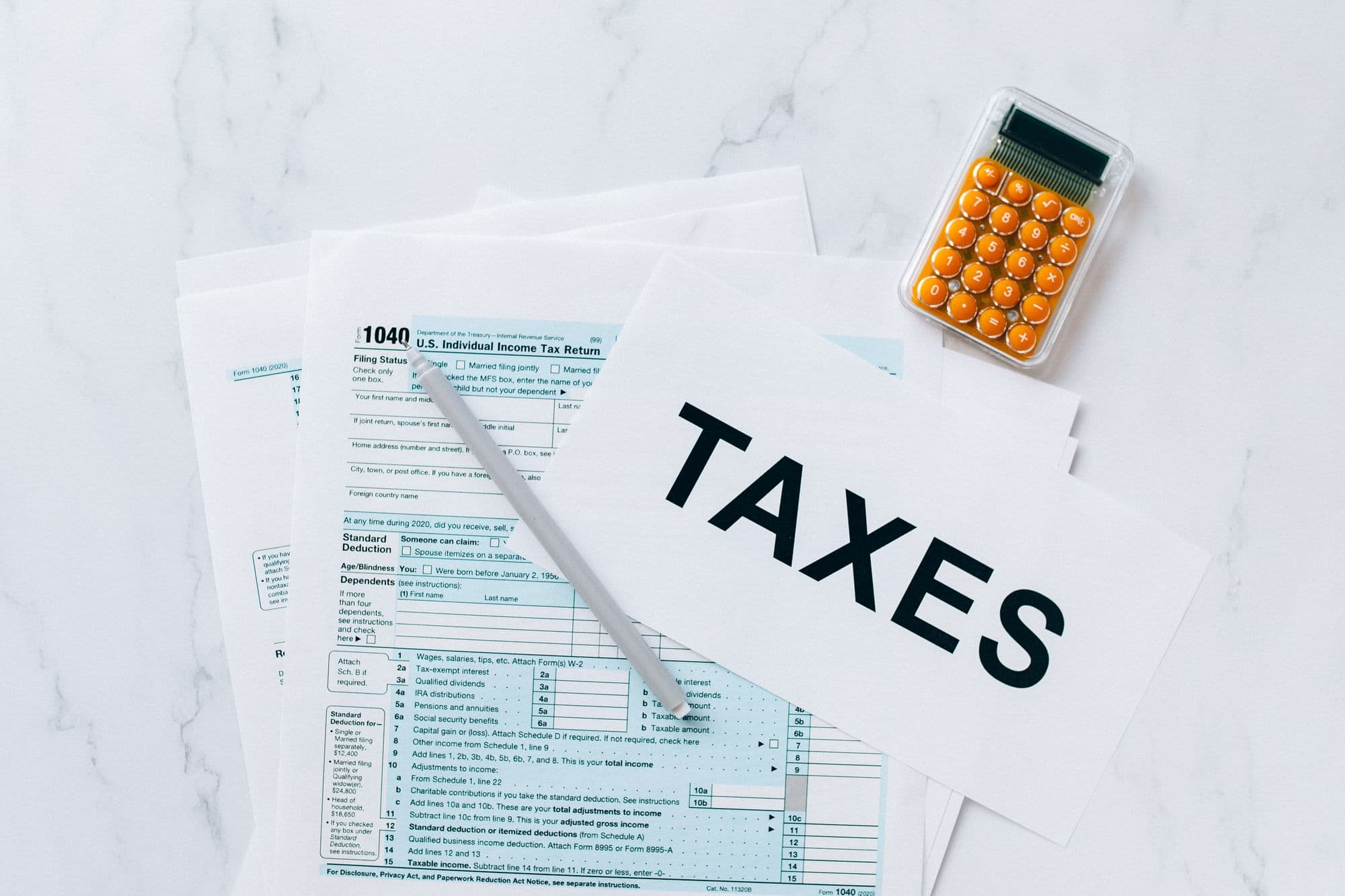

Quick answers
- Who qualifies for South Carolina's Homestead Exemption at 65?
- A homeowner who holds title, a life estate, or trust-beneficiary status in their primary legal residence, has lived in South Carolina as a legal resident for a full calendar year, and is at least 65 years old as of December 31 the year before the tax year. Total and permanent disability, or certified legal blindness, qualifies a homeowner earlier, on the same residency terms.
- What does the Homestead Exemption actually remove from a tax bill?
- It removes a fixed slice of a legal residence's taxable market value before the county calculates the tax owed, on top of the lower rate every owner-occupied primary residence already gets once it is registered as a legal residence. The state sets the amount, and the county auditor's office can run the real number for a specific address and tax district.
- How do you apply for the Homestead Exemption in Greenville County?
- Through Greenville County Real Property Services, even though state law gives the exemption's jurisdiction to the Auditor's Office. An age-based application needs a birth certificate or South Carolina driver's license or ID; a disability application needs the certifying agency's documentation; a blindness application needs a licensed ophthalmologist's certification; a trust beneficiary adds the trust agreement.
- Do you have to re-apply for the Homestead Exemption every year?
- No. Once Greenville County approves it, the exemption stays in place with no annual renewal. The two events that restart the process are moving to a new residence, which needs a fresh application at the new address's county auditor's office, and the death of the qualifying owner, unless a surviving spouse meets the conditions to keep it.
- Can a surviving spouse keep the Homestead Exemption?
- Yes, if the deceased owner was already eligible for it at death, the spouse takes title, a life estate, or trust-beneficiary status in the home within nine months of the death, the home stays the spouse's primary legal residence, and the spouse does not remarry. Missing the nine-month window or remarrying ends the spouse's claim even if the other conditions are met.
South Carolina's Homestead Exemption removes a fixed slice of a legal residence's taxable market value from the property tax bill once an owner turns 65, or is declared totally and permanently disabled, or is certified legally blind, and has lived in South Carolina as a legal resident for a full calendar year. It stacks on top of the lower tax rate every owner-occupied primary residence already gets once it is registered as a legal residence. In Greenville County, a homeowner applies for it once, through Real Property Services, not every year.
Who qualifies for South Carolina's Homestead Exemption at 65?
The exemption uses three tests, and a homeowner has to pass all three, according to the South Carolina Department of Revenue's Homestead Exemption flyer and the Greenville County Auditor's Office homestead page. First, you hold full title to your primary legal residence, a life estate in it, or you are the income beneficiary of a trust that holds title to it. Second, as of December 31 the year before the tax year, you have lived in South Carolina as your permanent legal residence for a full calendar year. Third, as of that same December 31 date, you are at least 65 years old, a state or federal agency has declared you totally and permanently disabled, or a licensed ophthalmologist has certified you legally blind. A homeowner who is not yet 65 can qualify early through the disability or blindness route; most simply wait for the birthday.
What does the Homestead Exemption actually remove from a tax bill?
Both sources describe the benefit as a complete exemption on a set portion of a legal residence's taxable market value, not a reduction in the tax rate itself. The county then applies its millage to whatever value is left after that slice comes off. That is a separate step from the lower assessment ratio a primary residence gets once South Carolina classifies it as a legal residence; the Homestead Exemption only applies on top of that classification, not instead of it. A retiree who wants the exact current dollar figure and how it plays out on a real bill should ask Greenville County Real Property Services directly, since the amount is set at the state level and the math depends on the home's tax district.
How do you apply for the Homestead Exemption in Greenville County?
A homeowner applies once. In Greenville County, homestead exemption applications are handled by Real Property Services, even though state law gives jurisdiction over the exemption to the County Auditor's Office; the auditor's own page directs applicants to that office. An application based on age needs a birth certificate or a South Carolina driver's license or ID. An application based on disability needs documentation from the state or federal agency that made the disability determination; someone whose disability has not yet been classified by an agency can apply through the South Carolina Vocational Rehabilitation Department first. An application based on blindness needs certification from a licensed ophthalmologist. A homeowner who is the income beneficiary of a trust that holds the property adds a copy of the trust agreement. Neither source we read states a filing deadline, so call Real Property Services and ask rather than guess one.
Do you have to re-apply for the Homestead Exemption every year?
No. Once Greenville County approves the Homestead Exemption, it stays in place without an annual renewal. The two events that restart the process are moving to a new residence, where the application has to be filed again at the new address's county auditor's office, and the death of the qualifying owner, which can end the exemption unless a surviving spouse qualifies to keep it. A homeowner who stays put, with no change in circumstances, never has to file again.
Can a surviving spouse keep the Homestead Exemption?
Yes, under conditions both sources describe the same way. The surviving spouse keeps the exemption only if the deceased owner was already eligible for it at death, the spouse takes title, a life estate, or trust-beneficiary status in the home within nine months of the death, the home stays the spouse's primary legal residence, and the spouse does not remarry. Missing the nine-month window, or remarrying, ends the spouse's claim to the benefit even if every other condition is met.
Where this fits in a move to the Upstate
The Homestead Exemption only ever follows a homeowner who already qualifies on the state's terms: 65, or disabled, or blind, and a full year of South Carolina residency first. It is not something a real estate agent files, and nobody applies it for you at the closing table. The practical order for someone retiring to the Upstate is to close on the home, make it a legal residence with a South Carolina driver's license, vehicle registration and voter registration at that address, and then take the documents above to Greenville County Real Property Services once the one-year residency clock runs out. Carlos holds NAR's Seniors Real Estate Specialist® designation, and the team walks clients through what has to happen first so the Homestead Exemption is not a surprise on the second tax bill rather than the first.